
Secondary Glazing: A Warmer, Quieter Home Without Replacing Your Windows
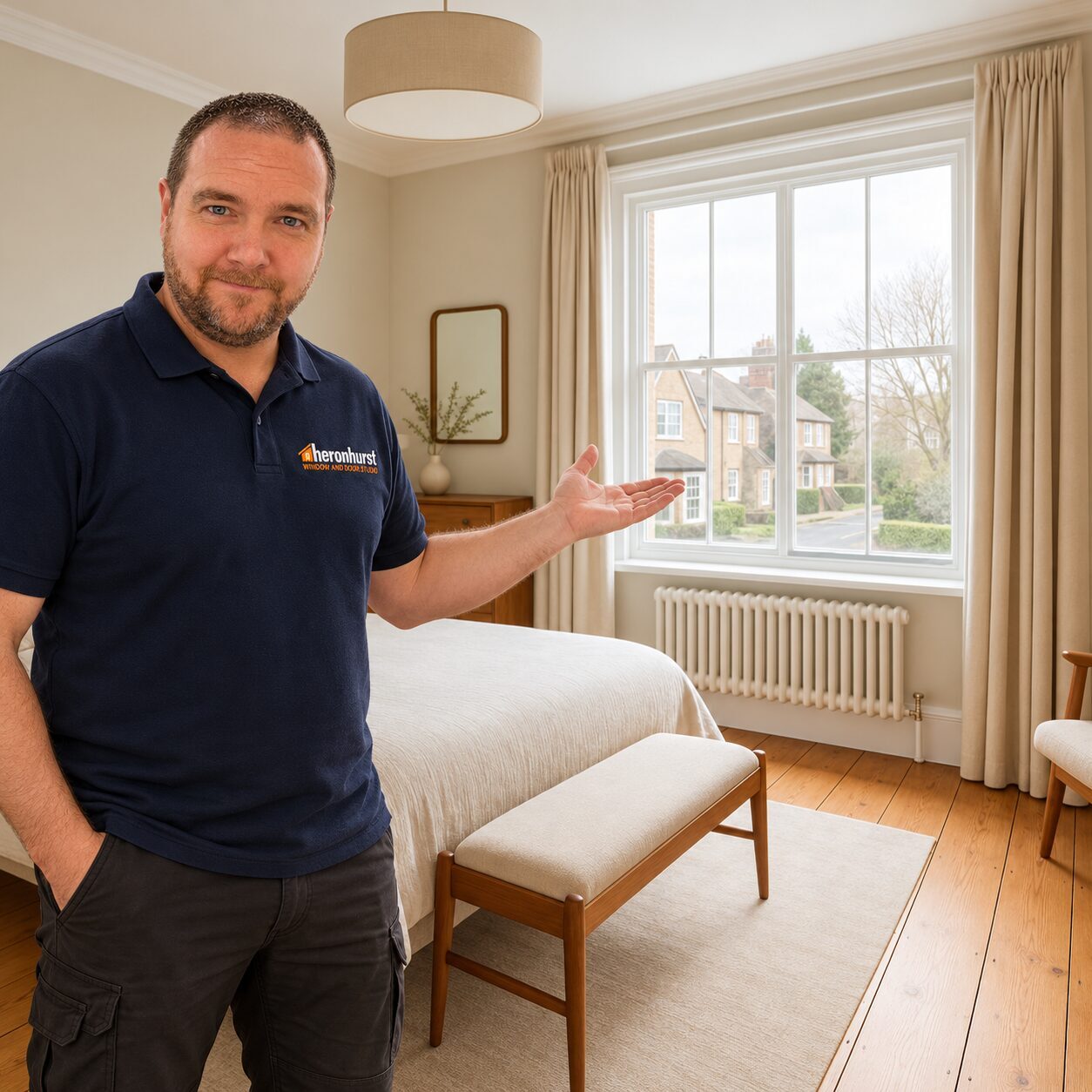
Secondary Glazing: A Warmer, Quieter Home Without Replacing Your Windows
If you love the character of your existing windows but would like your home to feel warmer, quieter and more comfortable, secondary glazing could be the perfect solution.
Rather than removing your existing windows, secondary glazing works by installing a second, discreet window to the inside. This creates an additional barrier between your home and the outside world, improving thermal insulation, sound reduction and security, while allowing you to retain the appearance and character of your original windows.
At Heronhurst, we supply and professionally install Granada Secondary Glazing throughout Abergavenny, Monmouthshire and South Wales, with a wide range of styles, colours and specialist glazing options available.
What is Secondary Glazing?
Secondary glazing is a completely separate window installed internally behind your existing window.
Unlike replacement double glazing, your original windows remain in place. This makes secondary glazing particularly useful where replacing the existing windows may be undesirable, impractical or restricted.
The finished installation is designed to be slim and unobtrusive, with aluminium frames made individually to suit each window.
Modern secondary glazing is a world away from some of the bulky systems people may remember from years ago. Granada systems are available in more than 200 RAL colours, with sightlines and opening configurations designed to complement the existing window wherever possible.
Make Your Home Quieter
One of the biggest reasons people choose secondary glazing is noise reduction.
If your property is close to a busy road, railway, town centre, school or another source of unwanted noise, simply replacing a window with standard double glazing doesn't necessarily provide the improvement you might expect.
Secondary glazing works differently.
The larger air gap created between your existing window and the secondary window can provide excellent acoustic insulation. When correctly specified with suitable acoustic glass and the appropriate cavity between the two windows, Granada Secondary Glazing can reduce noise levels by up to 54dB, depending upon the installation and glass specification.
That can make a substantial difference to bedrooms, living rooms, home offices and other areas where peace and quiet really matters.
And importantly, secondary glazing isn't limited to homes with old single-glazed windows. It can also be considered alongside existing double or even triple glazing where improving acoustic performance is the main objective.
A Warmer and More Comfortable Home
Older windows — particularly traditional single-glazed timber windows — can be responsible for significant heat loss and uncomfortable cold spots.
Installing secondary glazing creates an insulating air space between the two windows, helping to keep more warmth inside your home.
With the correct specification, including options such as Low-E glass, Granada Secondary Glazing can reduce heat loss through the window by up to 65%.
For many homeowners, however, the difference isn't simply about figures.
Rooms can feel noticeably more comfortable because secondary glazing helps reduce cold draughts and the cold surface effect associated with traditional single glazing.
And because your original windows remain in place, you can achieve this without fundamentally changing the external appearance of your property.
Ideal for Period and Traditional Properties
Secondary glazing really comes into its own on older properties.
Original timber sash windows, Georgian windows, arched windows and other traditional features can contribute enormously to the character of a building.
Replacing them isn't always the best answer.
Secondary glazing allows you to retain those original windows while improving their performance from inside the property.
This makes it particularly worth considering for:
Period homes
Traditional cottages
Victorian and Georgian properties
Sash windows
Properties within conservation areas
Listed and historic buildings
Buildings where retaining the external appearance is important
For a listed building, however, don't assume that an internal installation automatically means consent isn't required. Changes which affect the special architectural or historic character of a listed building can require Listed Building Consent, including some internal alterations. We recommend checking with your local planning authority before work begins.
Secondary Glazing for Listed Buildings
Finding ways to improve the comfort of a listed building can sometimes be challenging.
Original windows are frequently an important part of the property's historic character, and replacing them with modern PVC or aluminium windows may be inappropriate or unacceptable.
This is one of the reasons secondary glazing can be such a useful option.
Because the existing window remains intact, a carefully designed secondary window can provide improved thermal and acoustic performance whilst preserving much of the property's original fabric and external appearance.
Granada's range also includes specialist configurations for sash, shaped and arched windows, helping us create sympathetic solutions for unusual and traditional window designs.
Every listed property is different, though, and approval should always be checked with the relevant local authority before installation.
It Doesn't Have to Look Like Secondary Glazing
One concern we occasionally hear is:
"Will I notice it?"
Good secondary glazing should be designed around the existing window rather than simply placed in front of it.
Where possible, the secondary frame can be positioned so that its vertical and horizontal sections line up with the mullions and transoms of your existing window.
Matching these sightlines can make the finished installation considerably more discreet.
With a wide range of powder-coated colours available, the aluminium frame can also be selected to suit your existing windows and interior.
The result can be surprisingly subtle.
Choose the Right Window Style
There isn't one secondary glazing design that suits every window.
That's why the Granada range includes several different configurations.
Horizontal sliding secondary glazing works particularly well where easy access to the original window is required, with panels sliding from side to side.
Vertical sliding secondary glazing is ideal for traditional sliding sash windows and helps retain their characteristic appearance.
Hinged secondary glazing provides excellent access to the original window and can be particularly useful for larger openings.
Lift-out units offer a simple solution where access is only occasionally required.
Fixed secondary glazing can be useful for windows or sections of glazing that don't need regular access.
There are also options for shaped and arched windows, allowing secondary glazing to be designed around some of the more unusual windows found in traditional properties.
The Glass Matters Too
Choosing secondary glazing isn't simply a case of choosing a frame.
The type of glass and the distance between your existing window and your new secondary window can make a big difference to its performance.
If noise reduction is your priority, we may recommend acoustic laminated glass together with a larger cavity between the primary and secondary glazing.
If your priority is thermal performance, Low-E glazing may be more appropriate because its specialist coating helps reflect heat back into the room.
The important thing is not to automatically specify the most expensive or highest-performing glass available.
The best specification is the one designed around the particular problem you're trying to solve.
That's something we can help you determine.
An Extra Layer of Security
Secondary glazing can provide another useful benefit: an additional physical barrier behind your primary window.
Because the secondary window is located inside your home and cannot simply be accessed from outside, anyone attempting to enter through the primary window is faced with another secure glazed barrier.
The aluminium frames are strong and durable, and different safety and security glass options can be specified where required.
What About Condensation?
Secondary glazing can help improve the internal surface temperature around an older window, but condensation is a subject that needs to be considered properly.
Every property is different.
Ventilation, heating, humidity, the condition of the primary window and the way the secondary glazing is installed can all influence condensation.
Where appropriate, secondary glazing can be specified with ventilation provisions to help manage airflow.
It's another reason why we believe secondary glazing should be properly surveyed and specified for the individual property, rather than treated as an off-the-shelf product.
Is Secondary Glazing Better Than Double Glazing?
They actually solve slightly different problems.
If you're able and happy to replace your existing windows, modern double or triple glazing can be an excellent option.
But secondary glazing has some major advantages where:
You want to retain original windows
External appearance cannot easily be changed
Noise reduction is particularly important
The property is listed or historically significant
Replacement windows would involve considerable disruption
Existing windows are worth preserving
In some situations, secondary glazing can even be installed behind existing double or triple-glazed windows specifically to improve acoustic performance.
So rather than asking whether secondary glazing is better than double glazing, the more useful question is:
Which solution is best for your particular home?
See Secondary Glazing Before You Decide
Secondary glazing is one of those products that's much easier to appreciate when you can actually see and operate it.
That's why we have Granada Secondary Glazing on display at our Abergavenny Window and Door Studio.
You can see the slim aluminium profiles, understand how the different opening systems work and talk to us about what you're hoping to achieve — whether that's reducing traffic noise, retaining more heat, preserving original windows or finding an appropriate solution for a period property.
We'll help you work through the different window styles, glass specifications and installation options rather than simply selling you one standard product.
Granada Secondary Glazing Installed Across South Wales
Heronhurst is an approved Granada Secondary Glazing supplier and installer, providing made-to-measure installations throughout South Wales.
Our installation area includes Abergavenny, Crickhowell, Usk, Monmouth, Brecon, Chepstow, Cwmbran, Newport, Cardiff and Merthyr Tydfil, as well as surrounding areas.
Each Granada secondary glazing system is individually manufactured in the UK before being professionally installed in your home.
Could Secondary Glazing Work for Your Home?
If you're living with cold rooms, draughty traditional windows or unwanted outside noise, don't assume replacing your existing windows is the only option.
Secondary glazing could allow you to keep the windows and character you already have while significantly improving the comfort and performance of your home.
Visit our Abergavenny Window and Door Studio to see Granada Secondary Glazing for yourself, or talk to the Heronhurst team about arranging a quotation.
Keep the character. Reduce the noise. Retain the heat.
[Discover Granada Secondary Glazing from Heronhurst →]